
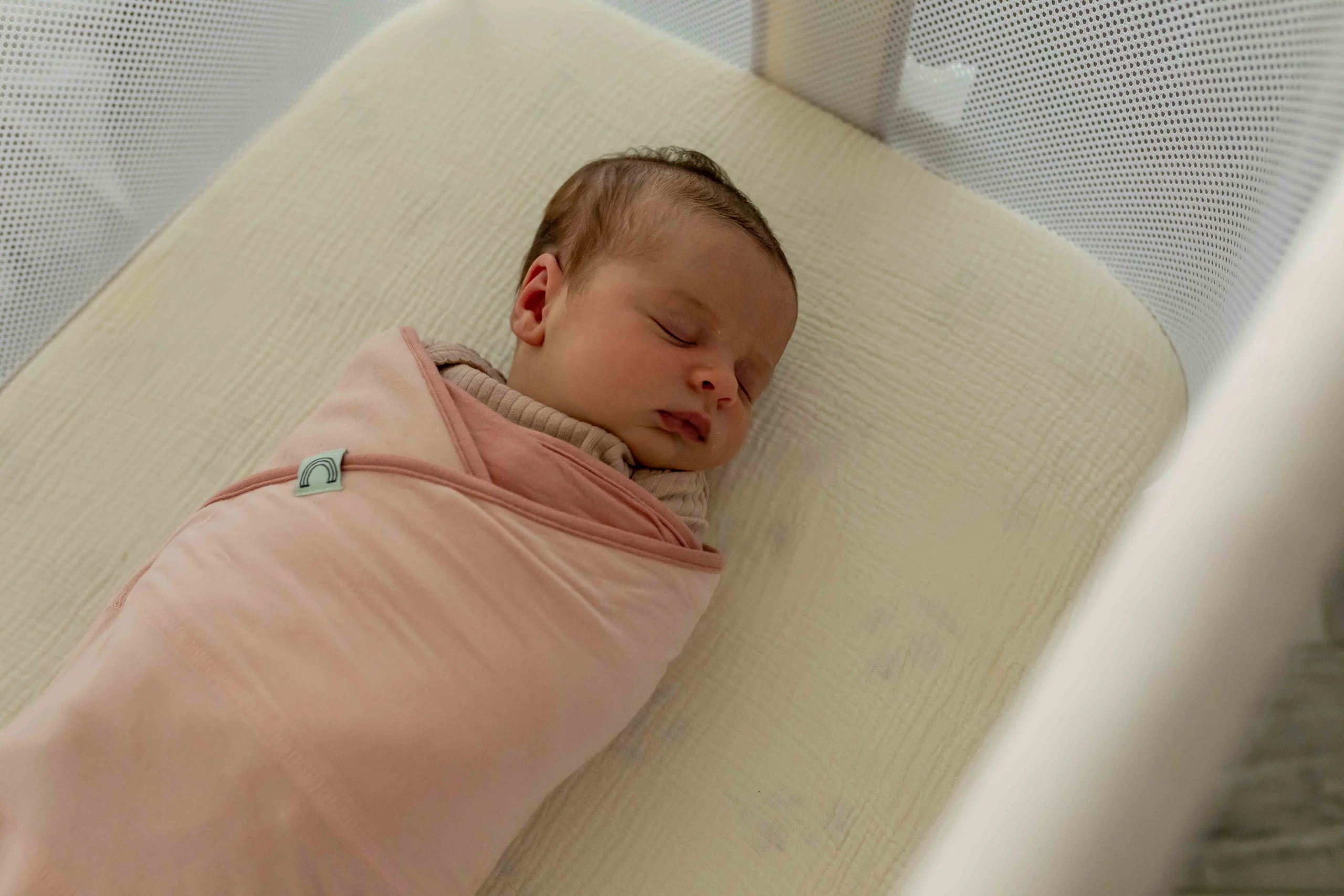
As a first-time parent, any runny nose, red cheeks, or excessive crying from your baby may send you into panic mode. Even parents who have had multiple children will likely still become anxious if they notice any sign that their child may be sick. However, there are many common health concerns that newborns naturally experience. Typical health issues newborns experience can be vastly different compared to emergencies that require a doctor. Sometimes a slight shift in symptoms is all it takes to determine whether or not to contact a doctor.
Pediatric care for your newborn is essential for their growth. As your child begins their first few weeks and months of their life, you may notice strange coughs, unusual bowel movements, or excessive crying spells. These are just a few of the common health concerns for a newborn. For parents, this can be extremely scary, especially if the baby is exhibiting multiple symptoms at once. For instance, if your baby has a fever, it is time for you to take the baby to the doctor.
Newborn Life
Newborn babies will undoubtedly cry, become irritable, and may consistently rub their eyes. These are common in a newborn and nothing to be concerned about. However, if any of these persist, it may be due to an underlying condition only diagnosable by a doctor. If you are unsure in any way if your newborn is experiencing normal or abnormal health issues, reach out to a pediatric doctor.
The life of a newborn consists of mostly sleeping, crying, and eating. As your child ages, parents will likely be able to determine the differences in the normal types of crying and eating. If a cough seems noticeably different than previously heard, consider reaching out to your doctor.
When to See a Doctor
According to the National Library of Medicine, there are numerous signs that your newborn may need to see a doctor. When a strange cough or a fever occurs, contacting a doctor is a fast way to find help for your newborn.
Other health concerns that can occur include:
- Jaundice
- Convulsions
- Intolerance to feeding
- High-pitched cry
- Drowsiness
- Grunting
- Breathing fast (60 breaths per minute)
- Hypothermia
- Severe chest indrawing
- Pneumonia
- Swelling
- Reduced movement
- Hypoglycemia
- Apnea
- Respiratory distress
- Blood in the stools
- Bile-stained vomit
- Red rash on the palms and soles
- Head nodding
If any of the above are seen in your child, reach out to a doctor immediately.
How to Prevent Neonatal Infections
One of the primary ways to prevent neonatal infections is to have good hygiene. Good hygiene practices must be followed throughout the pregnancy, during delivery, and after the birth takes place.
To help prevent neonatal infections, consider:
- Exclusively breastfeeding
- Enforcing strict procedures for hand-washing for family members
- Keeping the umbilical cord or belly button area clean
- Applying eye drops to both eyes
- Vaccinating your baby
- Avoiding unnecessary separation from the mother
Taking care of your baby begins well before your child is born and continues. To help your child maintain their health, consider implementing the above options for your baby.
Find Care for Your Child Today
At West Texas Health, we understand that childhood can be a worrisome time for parents. However, when you work with expert pediatricians and doctors, you can have the peace of mind that your child is receiving the utmost care. Some of our special treatments we address include skin conditions, infections, behavioral issues, and digestive disorders.
Our health care center is dedicated to taking care of children, preventing illnesses, and treating a range of diseases. Whether you are concerned because your child has a small cough or they are suffering from a chronic runny nose, consider reaching out to a doctor who can rule out certain diagnoses. Contact us today to schedule a consultation.