
Home . Immunization
Immunization Services
Whether in a provider’s office or in our Immunization Clinic, patients can take advantage of receiving all their needed vaccinations in a clean, friendly, and personal environment.
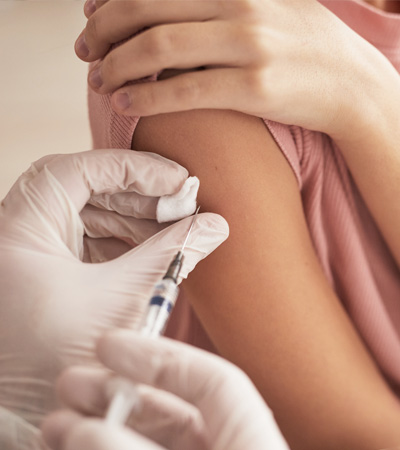
Promote a Lifetime of Health
For the Entire Family
Vaccinations are a staple of childhood, protecting your kids from debilitating illness, but they also offer adults key immunity and benefits.
Immunization with
Patient Education of Empowerment
Our vaccination and immunization services include complete information about the vaccination and its benefits. Patients are encouraged to engage with our providers to learn about their treatment and ask any questions they have before proceeding, allowing them to make empowered choices for protecting their own health and that of those they love.
Making the right choice now can provide a lifetime of lowered risk for disease.
Vaccination is about giving patients the power to live with more robust health, reduce risk of disease, and protect those around them all at once. Our mission is to make this as easy as possible for you.
FAQs
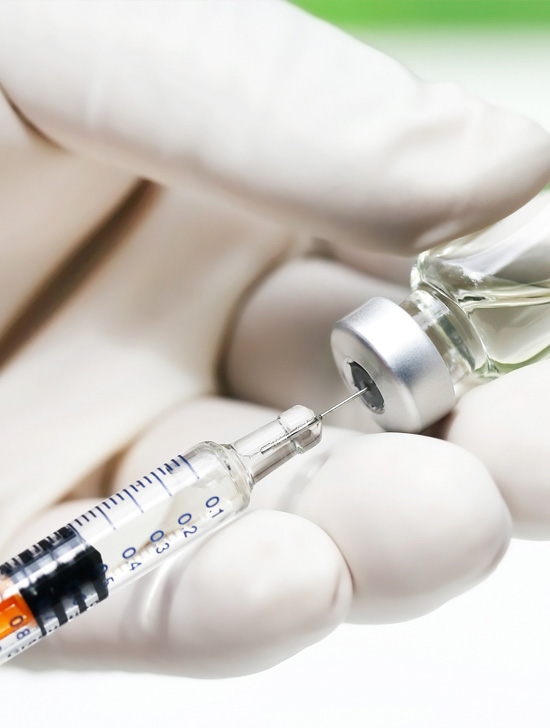
A vaccine is a preventative treatment designed to build bodily immunity against dangerous infectious diseases. Several vaccination methods exist, with each training your immune system to recognize specific pathogens and fight them off with antibodies. The use of vaccines has saved countless lives since they were first invented over 200 years ago.
Vaccinations dramatically reduce the risks associated with certain diseases by improving immunity. A vaccine not only protects yourself but your community as well. The use of vaccines cuts down on serious illness, hospitalizations, and outbreaks.
Yes! All vaccines undergo rigorous testing for safety and efficacy before being approved for use. Thousands upon thousands of hours have been spent ensuring that vaccines provide key benefits for patients.
Immunocompromised patients may need specific types of vaccines. However, there are still safe options for them.
Some vaccines may cause temporary but mild side effects. For example, you may notice mild flu-like symptoms after getting a flu vaccine. However, this is not due to the body becoming ill. This is a sign of your body mounting an immune response that leads to having antibodies against the actual pathogen.
During childhood, children are easily exposed to a range of pathogens, especially in the school setting. So, early vaccination is a core part of helping them avoid otherwise serious illness. The current CDC recommendations include a schedule of several vaccines for children. These include:
- Hepatitis A & B
- DTaP (a triple-coverage vaccine for diphtheria, tetanus, and pertussis)
- Polio
- MMR (a triple-coverage vaccine for measles, mumps, and rubella)
- Chickenpox (varicella-zoster)
- Pneumococcal
- Rotavirus
- Influenza (annual variant)
Childhood vaccines provide protection against key infectious diseases. But adults can also benefit from vaccination. Depending on your age and health, you may benefit from vaccines such as:
- COVID-19 and flu vaccines (booster or annual)
- Tetanus, diphtheria, pertussis (Tdap)) booster every 10 years
- Shingles (for patients 50+ years old)
- Pneumococcal (for patients 65+ years or with high risk)
- HPV (up to age 45 years)
- Additional vaccines for travel or occupations
If you are traveling to a location with endemic diseases, you may need specific vaccinations. Some common travel-related vaccines include those for:
- Yellow fever
- Typhoid
- Hepatitis A & B
- Japanese encephalitis
- Rabies
Combining vaccines is safe and commonly done. The vaccines do not actually make you sick, so combining them does not harm the body. However, vaccinations may be split into several groupings depending on the specific vaccines.
Health insurance should usually provide full coverage for most vaccines. Still, it is important to check with your provider to ensure coverage qualifications are met.
Yes! Vaccines are not a cure for a disease but a means of preventing them. Staying vaccinated helps keep you in good health and minimizes the risk of spreading dangerous diseases.
Some vaccines are actually recommended specifically during pregnancy. However, one type of vaccine (live vaccines) should be avoided during this time.
Get Care Today
Same Day
Appointments
Hours of Operation
Mon – Thu
Friday
Sat and Sun
: 8:30 am – 4:30 pm
: 8:30 am – 11:30 am
: Closed